
China Top 10 Gate Valve Seat Manufacturers

Choosing reliable Gate Valve Seats manufacturers requires more than comparing catalog photos or advertised prices. Seat quality directly affects shutoff performance, service life, and maintenance intervals. This guide examines China’s top 10 Gate Valve Seat Manufacturers through practical and technical criteria. These include material selection, machining accuracy, sealing consistency, pressure testing, and production traceability. Common materials may include resilient elastomers, PTFE compounds, stainless steel, and hard-facing alloys. Each option suits different temperatures, pressures, and media conditions.

Real manufacturing experience matters. A capable supplier should explain tolerances clearly, provide inspection records, and match seat design with the valve body. Look for CNC machining, controlled heat treatment, surface-finish checks, and documented testing procedures. Factory audits can reveal details that brochures often miss. Check them carefully. Sample evaluations are also valuable, especially when valves operate in water treatment, oil and gas, power generation, or chemical processing environments.

This overview is designed for engineers, buyers, and distributors seeking dependable sourcing information. It considers technical capability, industry experience, quality systems, export readiness, and customer support. Certifications can support credibility, but they should not replace product verification. No ranking can capture every factory’s daily performance. Some public information may change, and supplier capabilities can vary between product lines. That limitation matters. Readers should confirm current certificates, lead times, material reports, and testing records before making a purchasing decision. A thoughtful comparison can reduce sealing failures and support safer, more predictable valve operation.
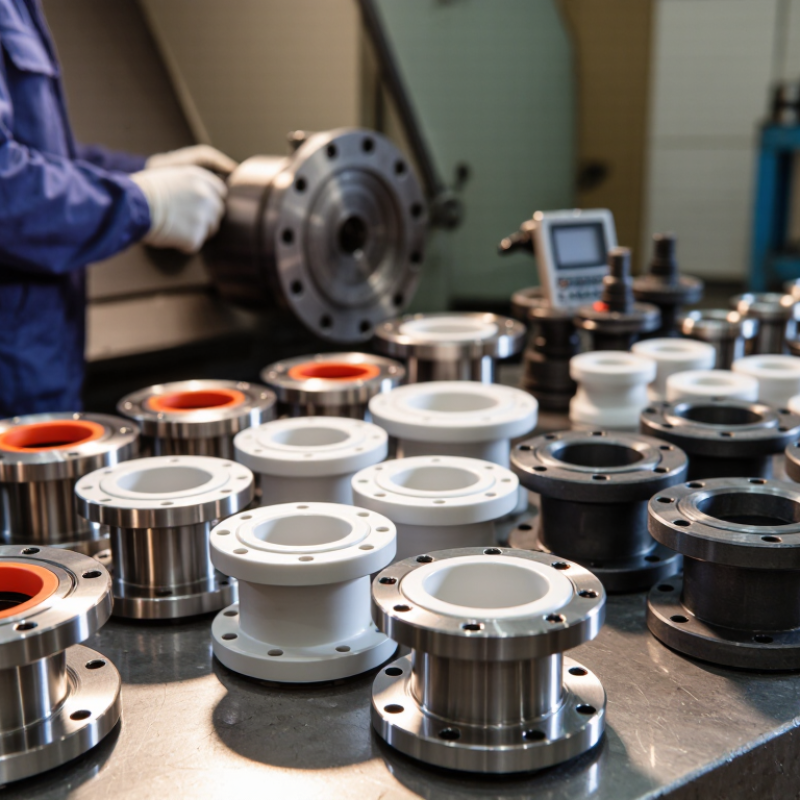
China Top 10 Gate Valve Seat Manufacturers

Gate Valve Seats: Function, Design, and Key Industry Terms

Gate Valve Seats: Function, Design, and Key Industry Terms

A gate valve seat forms the sealing surface where the gate meets the valve body. When the valve closes, this contact helps limit leakage through the line. Seat performance depends on more than material choice. Surface finish, alignment, pressure, and fluid conditions all matter. A small scratch can become a leak path.

Designs vary. Resilient seats use an elastic material to accommodate minor surface irregularities, while metal seats rely on closely matched, durable surfaces.

“Seat leakage” describes fluid passing through a closed valve. “Bidirectional” means the valve is designed to seal against flow from either direction, though actual performance depends on its specifications.

Check pressure and temperature ratings carefully. They are easy to overlook.

Tips: Inspect the seat and gate for scoring, embedded grit, or uneven wear. Keep sealing surfaces clean during assembly, and follow the valve’s installation instructions. Do not assume a tighter fit always improves sealing; excess force may damage a soft seat. Even experienced technicians can miss early wear, so inspection intervals deserve periodic review.

Seat Materials and Selection by Pressure, Temperature, and Service

A gate valve seat must match the fluid, pressure, temperature, and operating pattern. Material choice affects sealing, wear, and maintenance intervals. For clean water at moderate temperatures, resilient elastomers can provide tight shutoff. Their limits matter: heat, oils, or abrasive particles may shorten service life. Metal seats are often considered for hotter duties or fluids carrying solids, but they may allow more leakage than soft seats.

Pressure is not the only concern. A high-pressure line can impose substantial load on the seating surfaces, especially during repeated cycling. Temperature changes can also alter clearances and material hardness. Engineers should check the valve’s pressure-temperature rating and the seat material’s compatibility with the actual medium. Consider start-up conditions, pressure surges, and how often the valve will move. Small details matter.

Service conditions can be messy. A slurry may score a soft seat, while trapped debris can prevent full closure. For steam, chemical service, or abrasive flow, request documented test data and clarify the expected leakage class. Field experience helps, but it cannot replace verified specifications. I have seen selections made from the fluid name alone; that shortcut is easy, and sometimes wrong. Describe the full operating range to the manufacturer, including cleaning cycles and occasional temperature spikes.

China’s Top 10 Manufacturers: Profiles, Products, and Market Coverage

China’s gate-valve seat manufacturers serve water infrastructure, power generation, petrochemicals, and general industry. A useful supplier profile should cover seat materials, machining capability, pressure and temperature ranges, testing, and export markets. Product options may include metal-to-metal seats for high-temperature service and resilient seats for tighter shutoff. Ask for drawings, material certificates, and documented leakage-test results. A polished catalogue alone proves little.

Coverage varies across the sector. Some factories focus on cast or forged valve components; others provide finished gate valves and custom seat machining. Regional industrial clusters can support faster sourcing, but delivery capacity and quality control differ by supplier. Grand View Research estimated the global industrial valves market at USD 78.6 billion in 2023, with continued growth projected through 2030. This broad market estimate is not specific to gate-valve seats, but it signals sustained demand for reliable flow-control components.

Tips: Compare seat dimensions, material specifications, test methods, and lead times on the same basis. Request a sample inspection when tolerances are critical. One caveat: published supplier data can be incomplete, so verify production claims directly.

Typical Maximum Service Temperatures of Common Valve Seat Materials

Approximate upper service-temperature limits for commonly used elastomer and thermoplastic materials: NBR 100°C, EPDM 120°C, PEEK 250°C, and PTFE 260°C. Actual limits depend on the specific grade, medium, pressure, and operating conditions; consult the material supplier’s specifications.

How to Compare Manufacturers Using API 600 and ASME B16.34

China Top 10 Gate Valve Seat Manufacturers

Comparing manufacturers requires more than checking a seat’s dimensions. API 600 defines requirements for bolted-bonnet steel gate valves, while ASME B16.34 covers valve design, materials, pressure-temperature ratings, and examination. Use both standards as a document checklist, not as proof that every replacement seat is independently certified. Ask for the valve’s class, material grade, operating temperature, and pressure range. Then compare these details with the manufacturer’s drawings and test records. A seat that fits the pocket may still fail under thermal cycling or abrasive service.

For each supplier, request material traceability, hardness results, dimensional inspection records, and evidence of pressure testing on the assembled valve. Check how the seat seals against the wedge, including the specified surface finish and allowable leakage criteria. API and ASME standards provide the technical basis; the latest editions and project specifications should govern acceptance. Industry market reports can describe demand, but they cannot verify a supplier’s manufacturing quality. That distinction matters.

Tips: Compare like with like. Send every candidate the same duty conditions and inspection requirements. Ask for one sample inspection report, then check actual seat dimensions against its drawing. If a supplier cannot explain the test method, pause. Even a good comparison can miss field conditions, so record uncertainties before selection.

China Top 10 Gate Valve Seat Manufacturers - How to Compare Manufacturers Using API 600 and ASME B16.34

No. Comparison dimension What to verify Relevant standard or document Useful evidence for comparison
1 Applicable valve design Confirm that the quoted product is a steel gate valve within the stated scope, size range, pressure class, and design configuration. API 600; purchaser’s specification Product datasheet, sectional drawing, and written confirmation of the applicable edition and scope.
2 Pressure class and temperature limits Check the pressure-temperature rating for the specified body material and class. Do not compare class designations without checking the applicable temperature and material group. ASME B16.34; material specification Pressure-temperature rating table and material grade for the exact valve configuration.
3 Body and bonnet materials Compare specified material grades, product-form requirements, and any required supplementary testing or corrosion allowances. ASME B16.34; applicable ASTM material specifications; purchase specification Material certificates, heat-number traceability, and a material list linked to the drawing.
4 Seat and wedge arrangement Establish whether the seats are integral or separately attached, identify the seat and wedge materials, and confirm the specified sealing arrangement. API 600; approved drawings; purchase specification Sectional drawing, material schedule, and documented seat construction. API 600 does not by itself establish every buyer-specific seat-material choice.
5 End connections and face-to-face dimensions Verify end type, size, pressure class, facing details, and face-to-face dimensions against the order requirements. ASME B16.34; applicable end-connection dimensional standard; API 600 where applicable Dimensioned general-arrangement drawing and inspection records for critical dimensions.
6 Pressure-boundary design Review the pressure-containing design details and confirm that the selected design and material combination meet the applicable code requirements. ASME B16.34; API 600; approved design documentation Design calculations or compliance documentation where required by the contract, plus controlled drawings.
7 Inspection and nondestructive examination Compare examination methods, extent, acceptance criteria, and any purchaser-specified requirements. Requirements can depend on the material, service, and order. ASME B16.34; API 600; purchase specification Inspection and test plan, examination reports, and traceable records for the supplied valve.
8 Pressure and seat testing Confirm test type, procedure, acceptance criteria, and whether the contract requires tests beyond the applicable standard requirements. API 598 when specified or invoked by the applicable requirements; purchase specification Valve test procedure and completed test report identifying the valve, test medium, test conditions, and results.
9 Marking and traceability Check required valve identification, rating, material identification, and traceability from the finished product to its material and inspection records. ASME B16.34; API 600; purchase specification Photographs or marking drawing, nameplate details, material certificates, and inspection-record index.
10 Document control and delivery scope Compare the agreed document package, manufacturing schedule, inspection hold points, spare parts, and warranty terms rather than assuming these are standardized. Purchase specification; agreed quality plan and contract Document register, quality plan, delivery schedule, and written confirmation of exclusions and deviations.

Comparison note: This is a manufacturer-neutral evaluation framework, not a ranked list or a statement of verified capabilities. API 600 and ASME B16.34 cover different aspects of valve design and construction; the applicable edition, service conditions, material, and purchase specification should be confirmed for each quotation.

Quality Checks: API 598 Tests and ISO 5208 Leakage Rates

For China’s top ten gate valve seat manufacturers, quality claims matter only when the test method and acceptance rate are stated.

API Standard 598 specifies shell and closure testing, with test pressure and duration determined by valve type, size, and pressure class.

ISO 5208:2015 defines leakage-rate categories; Rate A permits no visible leakage during the specified test.

The rates are not interchangeable. A buyer should request the exact standard, rate, test medium, pressure, and hold time on the inspection record.

Look closely at the seat, not just the certificate. During closure testing, an inspector can watch for droplets at the outlet while recording pressure and test duration.

For soft-seated valves, confirm whether the specified ISO rate is zero leakage or a permitted measured rate.

For metal seats, check that the acceptance limit matches the valve’s size and stated service.

Small details matter. Ask for traceable results tied to the valve serial number, plus calibration records for gauges and flow-measuring equipment.

A factory report is useful, but it is not the same as independent verification.

I would still question any “zero leakage” claim that omits its test conditions; the wording sounds reassuring, yet leaves room for interpretation.