Tips for Choosing the Best Machining Center for Your Business
Choosing the right Machining Center can significantly impact your business's productivity and efficiency. With various options available, making the best choice requires careful consideration. A suitable Machining Center enhances precision and reduces production time. It can also meet specific industry needs, which makes understanding your requirements crucial.
When evaluating different models, assess their capabilities. Look for factors such as speed, accuracy, and flexibility. Each of these features contributes to the overall performance of the Machining Center. Additionally, consider the costs associated with maintenance and operation. Sometimes lower upfront costs lead to higher expenses later.
Do not overlook the importance of supplier reputation. A reliable supplier offers support and may provide valuable insights for your selection. However, even reputable companies may have limitations. It’s essential to request demonstrations and consult with existing users. Making an informed decision is essential for long-term success.
Understanding Your Business Needs for a Machining Center
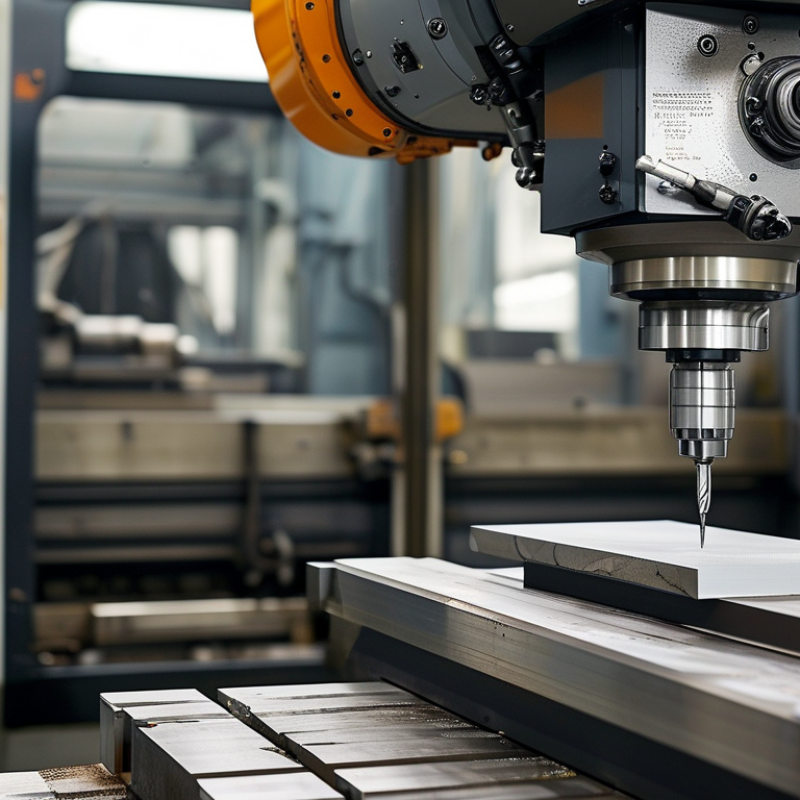
When selecting a machining center, understanding your business needs is crucial. Identify the types of materials you work with. Different materials require specific machining capabilities. For example, aluminum machining varies greatly from steel. This understanding helps you choose equipment tailored to your production requirements.
Evaluate your production volume. Are you running small batches or large-scale operations? A high-volume production setup may need more advanced automation features. Alternatively, smaller businesses might prioritize flexibility over automation. Additionally, consider the available floor space. Ensure the machine can be accommodated without crowding your workspace.
Reflect on the skill level of your team. Some machining centers have complex interfaces requiring advanced training. If your team lacks experience, this may lead to inefficiencies. Selecting user-friendly machines can facilitate smoother operations. Regularly reassess your business needs. As you grow, your machining requirements will evolve. Building a partnership with skilled suppliers can also enhance your decision-making process.
Evaluating Different Types of Machining Centers Available
When evaluating different types of machining centers, it's essential to consider your specific needs. Do you require vertical or horizontal machining? Vertical centers are great for smaller parts, while horizontal centers excel in larger, more complex components. Each option has unique benefits and limitations.
Think about the size and weight of the components you'll be working with. Some centers can handle heavy materials, while others are best suited for lighter fabrics. It's also crucial to assess the available workspace. The size of your facility may limit your options.
Don't overlook the importance of automation features. Many modern machining centers boast advanced technology that can improve efficiency. However, these features may complicate maintenance or require specialized training. Balancing these factors is not always straightforward, and sometimes it leads to regret. Choose wisely and reflect on your decision-making process.
Machining Center Types and Their Popularity
Key Features to Consider When Choosing a Machining Center
When selecting a machining center, understanding key features can significantly impact performance. Companies should prioritize precision and reliability. A machining center with a high degree of accuracy can reduce material waste and optimize production costs. According to a recent report from the International Journal of Advanced Manufacturing Technology, machining centers with a precision of 0.001 mm can increase production efficiency by up to 30%.
Another critical feature is the spindle speed. A higher spindle speed can enhance cutting capabilities. On the other hand, machines with lower spindle speeds might struggle with tougher materials. It's essential to match the spindle speed to your specific machining needs. Failing to assess this aspect can lead to inefficiencies and increased tool wear. Furthermore, flexibility in tool configurations can cater to various production tasks, allowing for a more versatile manufacturing process.
Lastly, consider the software integration capabilities of the machining center. Machines that easily integrate with modern CAM systems can streamline programming and reduce setup times. According to industry data, companies utilizing advanced software integrations often report a 20% reduction in production lead times. However, not all systems are easy to integrate, which could lead to potential challenges. Be prepared to evaluate your current software environment to ensure compatibility.
Budgeting for Your Machining Center Investment
Investing in a machining center requires careful budgeting. A 2022 industry report indicated that the average investment for a mid-range machining center can range from $100,000 to $300,000. This is a significant expense for any company. Companies must evaluate their production needs and financial capabilities before making a decision.
Consider the full lifecycle cost of your investment. This includes maintenance, tooling, and potential upgrades. A poorly chosen machining center may lead to higher operational costs over time. According to a study by the National Tooling and Machining Association, a third of manufacturers reported that unexpected maintenance costs exceeded initial estimates. It's crucial to plan for these ongoing expenses.
Analyzing your current and future workload is vital. Changes in production demand can impact your investment return. A report from AMT – The Association For Manufacturing Technology showed that over 60% of companies did not account for fluctuations in demand. Being conservative in budgeting can provide a buffer for unforeseen changes. Smart budgeting ensures that your investment enhances productivity without straining your finances.
Tips for Choosing the Best Machining Center for Your Business - Budgeting for Your Machining Center Investment
| Feature | Description | Price Range (USD) | Considerations |
| Size | Choose a size that fits your workspace and production needs. | $50,000 - $300,000 | Larger centers can handle bigger parts but take up more space. |
| Type | Vertical or horizontal machining centers according to your machining needs. | $40,000 - $250,000 | Vertical centers are versatile; horizontal centers are better for large volumes. |
| Spindle Speed | Higher speed allows for faster machining and improved surface finish. | $10,000 - $100,000 | Ensure speed meets the material processing requirements. |
| Control System | User-friendly interfaces can improve programming efficiency. | $20,000 - $150,000 | Consider compatibility with existing systems. |
| Tool Capacity | Number of tools that can be stored for quick changeovers. | $5,000 - $50,000 | More tools can save time and increase production efficiency. |
Researching Brands and Manufacturers for Reliability
When selecting a machining center, reliability is paramount. Researching brands and manufacturers is essential to ensure you make a wise investment. The right machining center can significantly affect production efficiency and product quality. According to industry reports, about 80% of manufacturing downtime stems from equipment failure. Thus, understanding a manufacturer's history is crucial.
Examine the innovations and features offered by various brands. Many manufacturers provide warranties or service packages that can be indicators of their confidence in product reliability. For instance, compliance with ISO certifications can reflect a commitment to quality. A recent study indicated that machines from ISO-certified companies had a 25% lower failure rate. Customer reviews and case studies can also help shed light on the real-world performance of each brand.
Consider the customer support offered by manufacturers. Quick response times and availability of spare parts are vital for minimizing downtime. The market shows that companies with robust support systems report a 30% increase in customer satisfaction. By focusing on these aspects, businesses can make informed decisions, enhancing productivity while minimizing risk. Trust in the source is critical.