What is the Importance of Machining Tools in Modern Manufacturing?
The advancement of manufacturing relies heavily on the evolution of machining tools. Renowned expert Dr. Sarah Jennings, a leader in industrial mechanics, states, "Machining tools are the backbone of our production capabilities." This statement highlights the essential role these tools play in ensuring precision and efficiency in modern factories.
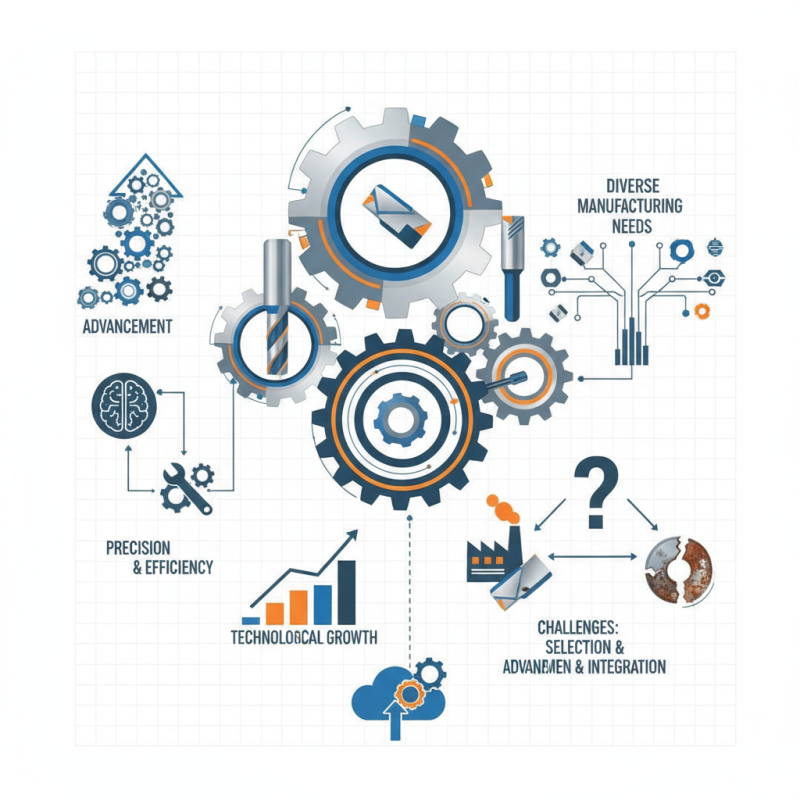
In an era of rapid technological growth, machining tools are crucial. They shape, cut, and manipulate materials with unmatched accuracy. The variety of tools available caters to diverse manufacturing needs, making them indispensable. However, not all machining tools are created equal. Companies often face challenges in selecting the proper tools for specific tasks, leading to potential inefficiencies.
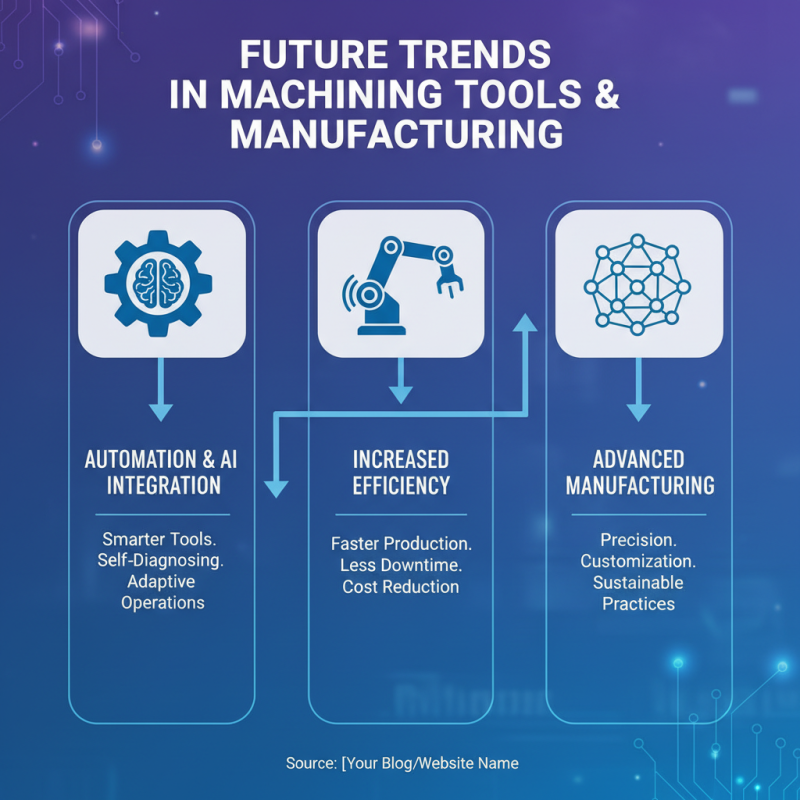
Additionally, the maintenance of machining tools is vital for optimal performance. Neglected tools can result in increased wear and tear. Regular maintenance is often overlooked, which can cause significant production delays. Recognizing these challenges is essential for every manufacturing leader. Future advancements in machining tools promise better efficiency but require thoughtful integration into existing systems. Manufacturers must remain adaptable and insightful in their approach to these tools.
The Definition and Function of Machining Tools in Manufacturing
Machining tools are foundational in modern manufacturing. These tools transform raw materials into precise components. They come in various forms, such as lathes, mills, and drills. Each tool plays a specific role in the production process, enhancing efficiency and precision.
The function of machining tools extends beyond mere cutting. They shape, finish, and assemble products. Skilled operators use these tools to create intricate designs and maintain tight tolerances. This requires training and experience. Misalignment or tool wear can lead to defects, highlighting the need for regular maintenance.
In a competitive market, quality is crucial. Machining tools must adapt to new materials and technologies. The introduction of computer numerical control (CNC) has revolutionized machining, allowing for automated precision. However, reliance on technology can lead to skills gaps in the workforce. Balancing traditional skills with modern techniques remains a challenge. This ongoing evolution underscores the importance of machining tools in achieving manufacturing excellence.
The Evolution of Machining Tools: Historical Perspective
The evolution of machining tools has greatly influenced modern manufacturing. From simple hand tools in ancient times to today's advanced computer numerical control (CNC) machines, the journey reflects technological progress. Early tools, such as chisels and lathe machines, were limited. They required significant manual labor and skill. Artisans produced parts one at a time, making mass production a challenge.
As industries grew, the need for precision led to innovations. The introduction of steam power and electricity revamped machinery. These developments improved efficiency and reduced human error. However, challenges persisted. Early machines were often bulky and difficult to operate. Adjusting settings required experience and a deep understanding of mechanics.
Tips: When selecting machining tools, consider the specific project needs. Focus on accuracy and material compatibility. Regular maintenance of tools ensures longevity and optimal performance. Embrace new technologies, but also reflect on their limitations. Training personnel on modern machines can reduce errors and improve outcomes. Investing in skilled workers remains just as crucial as having the latest equipment.
The Importance of Machining Tools in Modern Manufacturing
This chart illustrates the adoption rates of various machining tools in modern manufacturing. CNC Machining leads the way with a significant 45% adoption rate, showcasing its vital role in contemporary production processes. Manual Machining still holds relevance with 25%, while newer technologies like 3D Printing, Laser Cutting, and Water Jet Cutting are emerging with lower adoption rates but increasing significance in specialized applications.
Types of Machining Tools and Their Applications in Industry
Machining tools are vital in modern manufacturing. They shape materials with precision and efficiency. Different types of machining tools cater to various industrial needs. Each tool serves a unique purpose, enhancing product quality and production speed.
Lathes are common in turning operations. They help create cylindrical components. Mills, on the other hand, are versatile. They cut flat surfaces and complex geometries. Drill presses are essential for creating holes. They ensure accuracy and depth control. Each tool's application impacts finished products significantly.
Yet, the choice of machining tools is not always straightforward. Operators must evaluate factors like material type and desired finish. Misjudging these can lead to defects and waste. Regular training and skill development are crucial. As technology advances, staying informed is essential for effective tool usage.
What is the Importance of Machining Tools in Modern Manufacturing?
| Type of Machining Tool |
Function |
Common Applications |
Material Compatibility |
| Lathe |
Rotates the workpiece against a cutting tool |
Manufacturing of shafts, rods, and complex shapes |
Metal, wood, plastics |
| Milling Machine |
Uses rotary cutters to remove material from a workpiece |
Creating flat surfaces, slots, and intricate designs |
Metal, wood, plastic |
| Drilling Machine |
Creates round holes in a workpiece |
Manufacturing of holes for bolts, screws, and pipes |
Metal, plastic, wood |
| Grinding Machine |
Uses an abrasive wheel to produce a fine finish |
Finishing of parts and achieving tight tolerances |
Metal, ceramic, glass |
| Electrical Discharge Machine (EDM) |
Uses electrical discharges to cut materials |
Complex shapes in hard metals |
Hard metals, alloys |
The Role of Machining Tools in Enhancing Production Efficiency
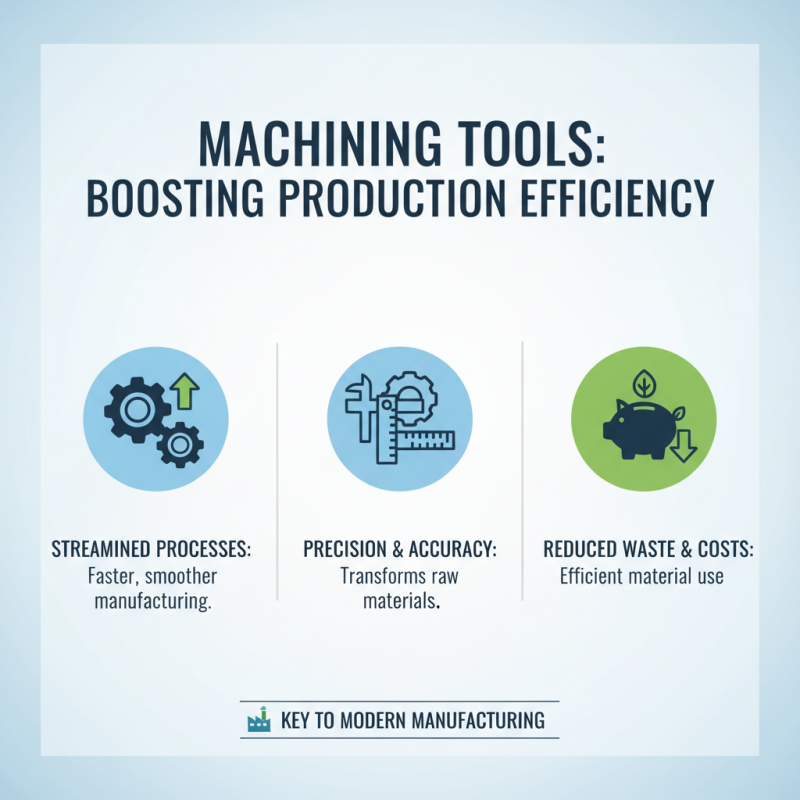
Machining tools play a crucial role in modern manufacturing. They help streamline production processes and increase efficiency. With precision cutting and shaping capabilities, these tools can transform raw materials into finished products quickly and accurately. This effectiveness leads to reduced waste and lower production costs.
In addition to efficiency, the versatility of machining tools allows manufacturers to adapt to changing demands. Different industries require varied specifications. A machine can switch from creating intricate components for electronics to larger parts for automotive applications. However, reliance on complex machinery also poses challenges. Maintenance costs can be high, and downtime may disrupt workflows.
Moreover, the learning curve associated with advanced machining tools can impact workforce productivity. Skilled operators are essential for maximizing tool effectiveness. Without proper training, mistakes can occur, leading to costly errors. Balancing technology and human expertise remains a key consideration for manufacturers aiming to enhance efficiency and quality.