
Surface Decorative Paper is becoming a key design and performance layer in modern interior products. It appears on kitchen cabinets, office furniture, doors, wall panels, and engineered flooring. The surface may resemble warm oak, brushed stone, linen, or painted metal. Its visual effect is immediate, but its technical role is equally important.
Industry forecasts show why this material deserves closer attention. Smithers’ market analysis of decorative papers identifies continued demand from furniture, flooring, and interior construction applications. Grand View Research also reports steady growth in the decorative laminates market through 2030, supported by renovation activity and demand for affordable design finishes. Meanwhile, European Panel Federation data highlights the importance of wood-based panels, where printed papers and overlays are widely used for protection and appearance.
The leading types include pre-impregnated paper, finish foil, melamine-faced paper, overlay paper, solid-color paper, and digitally printed decorative paper. Each type balances print quality, resin absorption, abrasion resistance, and production speed differently. A matte walnut pattern may suit a bedroom cabinet, while a high-pressure overlay may better withstand busy commercial interiors. Small technical choices matter.
However, market forecasts are not guarantees. Performance depends on paper weight, ink stability, resin chemistry, pressing temperature, and the panel substrate. Sustainability claims also require careful verification, especially when comparing recycled fibers, certified wood sources, and low-emission resins. This guide examines the top Surface Decorative Paper types in 2026, using industry evidence while acknowledging where supplier claims still need closer testing.
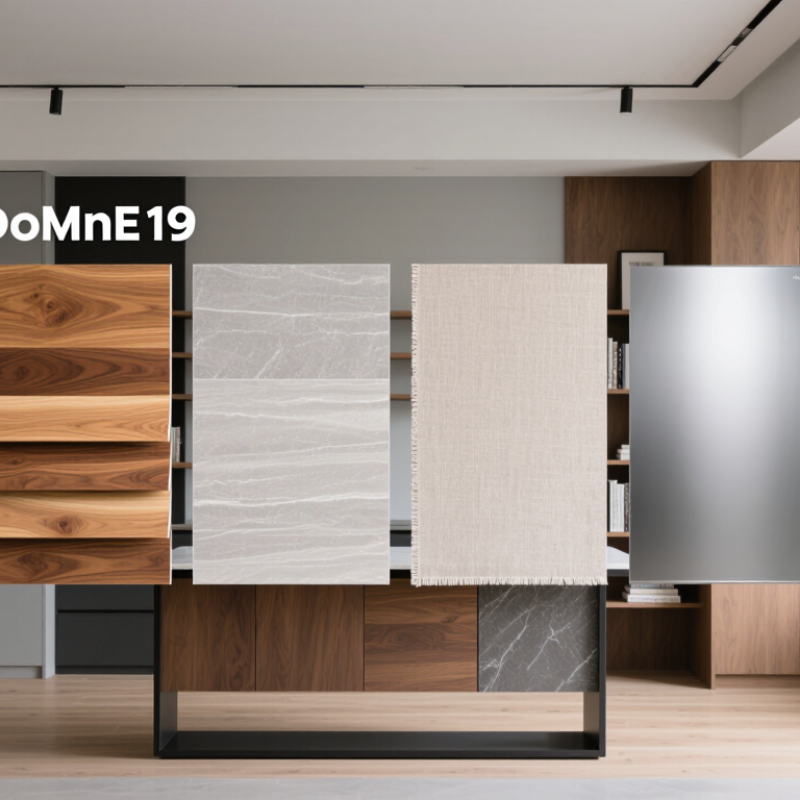
What Are the Top Surface Decorative Paper Types in 2026?
What Defines Surface Decorative Paper in 2026
Surface decorative paper is no longer judged by appearance alone. In 2026, it must combine visual realism, stable printing, and dependable surface performance. The paper usually carries wood, stone, textile, or abstract patterns onto furniture panels, doors, flooring, and interior fittings. Texture matters. A fine grain should align with the printed image, not fight it.
Melamine-impregnated decorative paper remains important for scratch-resistant panels and work surfaces. Finish foil offers flexible styling for wrapped profiles and shaped components. Pre-impregnated papers can simplify production when controlled curing and consistent resin absorption are required. Digitally printed papers also support shorter runs and more customized patterns. Their value depends on color accuracy, repeat control, and resistance to light exposure.
In practical factory evaluations, I look beyond the sample board. I check edge adhesion, surface gloss, abrasion results, and how the paper reacts to heat and cleaning agents. Fiber selection, coating uniformity, and moisture control can change the final result. Lower-impact options may include certified fibers, water-based inks, and thinner constructions that reduce material use. Yet sustainability claims need documented testing, not attractive wording. A paper may look responsible while performing poorly during pressing. That is a real weakness. Designers should also question whether extreme realism improves a room or simply adds visual noise. In 2026, the strongest surface decorative paper is the one that fits the substrate, production process, maintenance needs, and honest performance expectations.

Surface decorative paper is a printed or solid-color paper used to enhance furniture, flooring, doors, wall panels, and laminated boards. The chart compares representative typical basis-weight midpoints by major paper type.
Heavier papers generally provide stronger print coverage and handling performance, while lighter overlay and finish papers are designed for surface protection, texture definition, and efficient lamination. Values are representative industry ranges expressed as typical midpoints, not market-share figures.
In 2026, surface decorative papers are judged by more than color trends. Melamine-impregnated decorative paper remains practical for furniture panels, doors, and work surfaces. It combines printed design with a resin layer cured under heat and pressure. The finished surface can resist everyday abrasion, stains, and moderate moisture. Still, performance depends on paper weight, resin control, pressing temperature, and substrate quality.
During factory evaluations, I examine edge coverage, color consistency, and the surface feel under a dry hand. A soft woodgrain should continue naturally across adjoining panels. Tiny bubbles or cloudy areas may indicate uneven impregnation or pressing conditions. Glossy finishes reveal fingerprints quickly. Matte finishes often hide them better, but can show polishing marks. These details matter in kitchens, offices, hotels, and retail interiors where cleaning happens repeatedly. Reliable suppliers should provide technical data, production samples, and clear test methods. Ask how abrasion, stain, light, and moisture resistance were measured.
Melamine paper also supports efficient design changes. Digital printing can create stone, textile, timber, or abstract patterns without natural material variation. However, visual realism can become too uniform. That is worth questioning. A convincing surface needs controlled variation, not mechanical repetition. Not every sample survives. I also inspect cut edges and drilled areas before approval. The decorative layer may look excellent, yet weak preparation can cause chipping or delamination during installation. Careful matching of paper, resin, press cycle, and board provides a more dependable result.
| Decorative Paper Type | Typical Visual Effect | Common Basis Weight | Melamine Impregnation Role | Key Surface Performance | Typical Applications | Primary Design Advantage |
|---|---|---|---|---|---|---|
| Woodgrain Decorative Paper | Natural timber patterns, pores, knots, cathedral grain and linear grain | Approximately 60–100 g/m² | Forms a clear, hard thermoset resin layer after pressing and protects the printed pattern | Good abrasion, stain, heat and household-chemical resistance | Laminate flooring, furniture panels, cabinetry, doors and wall panels | Provides a wood appearance with more consistent color and pattern control than natural timber veneer |
| Solid-Color Decorative Paper | Uniform white, neutral, pastel, vivid or deep-color surfaces | Approximately 70–120 g/m² | Improves surface hardness, cleanability and resistance to everyday wear | Consistent appearance and strong resistance to routine staining | Office furniture, kitchen doors, shelving, countertops and interior wall systems | Supports minimalist designs and makes color matching across panels easier |
| Stone and Mineral Decorative Paper | Marble, granite, terrazzo, concrete, slate and other mineral-inspired patterns | Approximately 70–110 g/m² | Creates a durable transparent protective surface while retaining detailed mineral imagery | Good scratch, abrasion, moisture and stain resistance when correctly pressed | Countertops, worktops, bathroom furniture, reception desks and wall cladding | Delivers a stone-like visual effect with lower weight and simpler panel fabrication |
| Textile and Fabric-Effect Paper | Woven cloth, linen, boucle, canvas and fine textile textures | Approximately 60–100 g/m² | Seals the printed texture and helps the finished surface withstand handling and cleaning | Balanced abrasion resistance with a softer visual and tactile character | Residential furniture, wardrobes, office partitions, wall panels and hospitality interiors | Adds visual warmth without the maintenance requirements of real fabric surfaces |
| Metal-Effect Decorative Paper | Brushed aluminum, oxidized steel, copper, brass and metallic finishes | Approximately 70–110 g/m² | Protects metallic pigments and supports a hard, cleanable decorative surface | Good resistance to routine abrasion, stains and household cleaning agents | Retail fixtures, elevator interiors, furniture accents, doors and commercial wall panels | Creates a metallic appearance without using a solid metal sheet |
| Fantasy and Patterned Decorative Paper | Geometric patterns, botanical motifs, terrazzo blends, abstract graphics and custom artwork | Approximately 60–120 g/m² | Encapsulates the printed design and improves durability during everyday use | Flexible design capability with reliable surface protection | Retail interiors, children's furniture, hospitality spaces, doors and feature walls | Enables distinctive visual concepts and short-run design differentiation |
| Synchronized-Texture Decorative Paper | Printed grain or mineral design aligned with a matching embossed surface texture | Approximately 70–120 g/m² | Works with the overlay and embossing process to create a more realistic tactile finish | Enhanced scratch perception, texture authenticity and surface durability | Premium flooring, high-end furniture, worktops, doors and architectural panels | Combines visual and tactile registration for a closer resemblance to natural materials |
Synchronized embossed paper is becoming a leading surface choice in 2026. Its printed grain aligns with physical embossing. This creates deeper visual realism than flat decorative paper. A hand can follow the “oak” pores across a cabinet door. Stone patterns also gain sharper cracks, pits, and mineral movement.
Grand View Research valued the global decorative laminates market at approximately USD 8.7 billion in 2023. Its report projects continued growth through 2030, supported by interior renovation and durable furniture surfaces. Smithers’ report, The Future of Decorative Papers to 2028, also highlights premium textures, digital printing, and lower-material designs as important development areas. These findings support synchronized surfaces, especially where appearance and touch must work together.
Manufacturers should control print-to-emboss registration carefully. Small alignment errors can make a wood knot look artificial. That weakness is easy to notice under bright showroom lighting.
It is not flawless.
Testing should include abrasion, stain resistance, light exposure, and repeated cleaning. The European standard EN 438 remains a useful reference for high-pressure decorative laminate performance. However, visual authenticity is still partly subjective. A surface may pass laboratory tests yet feel too repetitive in a real room. Designers should inspect full panels, not only small samples, before approving a texture.
Digital-printed decorative paper is shaping surface design in 2026. It allows manufacturers to create detailed patterns without preparing traditional printing cylinders. That reduces setup time for smaller production runs.
Common designs include realistic oak, walnut, marble, concrete, woven fabric, and custom illustrations. High-resolution scanning captures pores, fibers, and small color variations. These details make a panel feel less repetitive. A designer can also adjust scale, contrast, and direction for different furniture components.
The paper must match its final application. Kitchen panels need strong abrasion and moisture resistance. Office furniture may require stable color under indoor lighting. During development, technicians should test the printed sheet with its final resin, board, and protective layer. Color can shift after pressing. It happens more often than expected. A physical sample remains essential, even when digital proofs look accurate.
Production teams should check ink adhesion, surface clarity, pattern alignment, and batch consistency. They also need reliable records for color settings and substrate conditions. Small humidity changes can affect paper behavior during processing. I have found that custom designs work best when creativity follows technical limits. Too much detail may disappear after impregnation or embossing. A slightly imperfect texture can sometimes look more natural than a flawless repeat.
In 2026, surface decorative papers are moving beyond attractive woodgrain visuals. Recycled-content papers and low-emission finishes support healthier interior specifications. Woodgrain, stone, textile, and solid-color papers remain practical for panels and furniture. CEPI’s 2023 industry report recorded a 79.3% paper recycling rate in Europe. That figure supports stronger fiber recovery. However, it does not guarantee recycled content in every decorative sheet. Certification and supplier declarations still matter.
Low-emission performance depends on more than the paper surface. Adhesives, coatings, inks, and engineered boards can influence indoor air quality. UNEP’s 2022 Global Status Report stated that buildings consumed 34% of global energy. They also produced 37% of energy-related carbon emissions. Therefore, material selection deserves careful attention, even for thin decorative layers. Specify verified VOC results, formaldehyde-tested substrates, and water-based printing systems. Results can vary between production batches.
Tips: Request recycled-content percentages, not vague “eco” claims. Check test methods and report dates. Compare the complete panel, not paper alone. A recycled label can hide intensive coating processes. I would not treat one certificate as proof of total sustainability. Sometimes, the most honest specification admits what remains unknown.
Contact
KYOCERA SGS Precision Tools, Inc.
(330) 686-5700
150 Marc Drive
Cuyahoga Falls, OH 44223
Products
Resources