Why Choose a Wafer Roll Machine for Your Production Needs?
In the competitive landscape of the snack food industry, efficiency and innovation drive success. The global wafer market is projected to reach $65 billion by 2025, with growing demands for diverse flavors and textures. A Wafer Roll Machine can play a pivotal role in meeting these demands. By producing high-quality wafer rolls efficiently, manufacturers can capitalize on this lucrative trend.
Adopting advanced wafer roll technology can enhance productivity by up to 30%. This increase in efficiency is essential in an industry where speed and adaptability matter. However, not all machines are equal, and some may fall short of expectations. Investing in a high-quality Wafer Roll Machine ensures that production processes align with market demands.
Nevertheless, companies must go beyond equipment selection. Continuous evaluation of production lines is vital for maximizing output. An effective Wafer Roll Machine should integrate seamlessly with existing systems, yet some machines may require additional adjustments. A thoughtful approach to production needs will lead to sustainable growth in an evolving market.
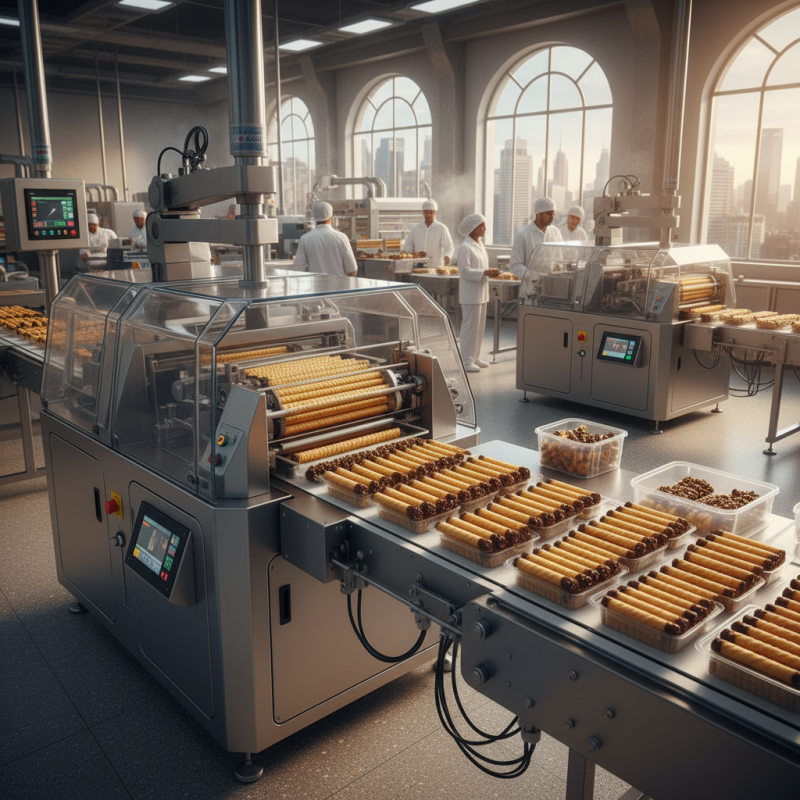
Understanding Wafer Roll Machines and Their Importance
Wafer roll machines play a crucial role in modern food production. These machines create thin, crispy wafers that appeal to many consumers. Their design allows for consistent quality and texture. The process is fascinating yet intricate. Operators must pay close attention to detail. Even minor adjustments can impact the final product.
Many factors influence the quality of wafer rolls. Temperature control is essential during production. The mixing of ingredients must be precise. Any variation can lead to unsatisfactory results. Operators need proper training to achieve the best outcomes. It's not just about operating the machine. Understanding the science behind wafers is vital for a perfect product.
Incorporating these machines can enhance production efficiency. However, challenges remain. Maintenance is critical for longevity and performance. Over time, wear and tear can affect output quality. Additionally, the market demands are always changing. Manufacturers must adapt quickly to stay competitive. Continuing education and process optimization are key to overcoming these hurdles.
Key Features of Wafer Roll Machines for Efficient Production
Wafer roll machines are essential for efficient production. They streamline the process of creating delicious wafer rolls. With their advanced technology, these machines ensure consistency and quality. A reliable machine minimizes waste and maximizes output.
One key feature is the temperature control system. Precise heating ensures that each wafer cooks evenly. This feature reduces the risk of undercooked or burned products. Proper temperature settings are crucial for achieving perfect texture. Regular calibration is necessary. Small adjustments can make a significant difference.
Another important aspect is automation. Automated machines reduce manual labor and speed up production. This feature allows for high-volume output with less time involved. However, operators must pay attention to the machine's maintenance. Regular checks can prevent breakdowns and downtime. Skipping maintenance can lead to costly repairs.
Remember to monitor your production closely. It’s easy to overlook small details. Adjusting settings based on real-time feedback can enhance quality. Consistency is key. With the right machine, you can elevate your production game.
Why Choose a Wafer Roll Machine for Your Production Needs? - Key Features of Wafer Roll Machines for Efficient Production
| Feature | Description | Benefits | Efficiency Rating |
| Automatic Operation | Fully automated system for dough processing and baking | Reduces labor costs and increases speed of production | 95% |
| Adjustable Temperature Control | Precise temperature settings for optimal baking | Improves product quality and consistency | 90% |
| Compact Design | Space-saving layout suitable for various production areas | Maximizes factory floor space while maintaining output | 85% |
| Versatile Production Capability | Can produce multiple types of wafer rolls and flavors | Allows flexibility in meeting diverse market demands | 92% |
| Low Energy Consumption | Energy-efficient heating elements and operation | Reduces operational costs and environmental impact | 88% |
Benefits of Using Wafer Roll Machines in Food Manufacturing
Wafer roll machines have transformed food manufacturing. They offer various benefits that can significantly enhance production efficiency. These machines produce crispy and thin wafers, ideal for snacks and desserts. The unique rolling feature ensures uniformity in thickness and texture. As a result, consumers enjoy a consistent eating experience.
Moreover, wafer roll machines are designed for versatility. They can adapt to different recipes and flavors. This flexibility allows manufacturers to experiment and innovate. However, some may find it challenging to optimize the machine settings for new products. This reflects a need for continuous learning and adaptation.
The automation aspect of wafer roll machines also stands out. Reduced manual labor leads to a more streamlined production process. This automation can minimize human error. Yet, it can create a dependency on the machine. Training staff on technical issues becomes essential. Balancing automation and human oversight is crucial for success.
Comparing Wafer Roll Machines with Traditional Production Methods
Wafer roll machines stand out when compared to traditional production methods. They offer increased efficiency and quality. A recent industry report shows that wafer roll machines can improve production speed by up to 50%. This significant gain helps meet growing consumer demands. Traditional methods often struggle with slow processes, leading to bottlenecks in production lines.
Moreover, wafer roll machines minimize material waste. According to a study, they reduce waste by approximately 30%. This not only cuts costs but also supports sustainable practices. In contrast, traditional methods often produce more scrap, increasing environmental impact. Operators can experience learning curves with new machinery. This transition period may pose challenges but ultimately leads to improved outcomes.
Quality control is also enhanced. Wafer roll machines maintain consistent thickness and texture in products. In a world where consumer expectations are rising, this consistency is vital. Meanwhile, traditional methods can yield inconsistent results, affecting brand reputation. Companies embracing wafer roll technology may see better customer satisfaction and loyalty over time. Adopting new systems is never without its hurdles, yet the benefits are clear.
Factors to Consider When Selecting a Wafer Roll Machine
When selecting a wafer roll machine, several factors are crucial for your production needs. First, consider the machine’s capacity. How many wafers can it produce per hour? A higher capacity may be necessary for large-scale production. Look into the material used in the machine's construction. Stainless steel is often favorable due to its durability and ease of cleaning.
Next, evaluate the machine’s versatility. Can it handle different types of batter? If you plan to diversify your products, a multi-functional machine is beneficial. It’s also essential to think about the ease of operation. Complex machines may require skilled operators, leading to extra training costs. Regular maintenance is another aspect to ponder. Maintenance can become a burden without proper support.
In addition, think about the machine’s energy consumption. A highly efficient model can save costs in the long run. Yet, these models may require a higher initial investment. It’s worth balancing short-term costs with long-term savings. Finally, always check customer reviews and seek feedback. While features and specifications are important, real-world performance may reveal other nuances.